 Skip to content
FTC Decarbonizer
What is cylinder glazing, and can you fix it without tearing down the engine?
In the large majority of cases, yes. Cylinder glazing can look like a symptom of serious mechanical wear, but in most cases the engine isn’t worn out at all. Most often, the cylinder wall is actually imbedded with hard carbon deposits that have been polished mirror-smooth by the reciprocal motion of the piston and piston…
Read MoreFactors in Diesel Particulate Filter Clogging

Diesel Particulate Filter (DPF) trouble, primarily clogging, is usually caused by insufficient exhaust temperatures during regular driving, leading to incomplete soot burning during the regeneration cycle (regens). Other factors include poor fuel combustion due to low compression, sticky rings and glazed cylinder walls, less-than-ideal maintenance, incorrect engine oil, low fuel quality, and engine or sensor…
Read MoreGreatly reduce the risk of turbo failure

It has been proven over and over and over again, that the primary cause of turbo failure is NOT manufacturing defects, but rather three often-overlooked, yet significant root causes that contribute to your turbo prematurely giving up the ghost. The three turbo killers Prevent costly turbo failures like this by using pro-active strategies. The benefits…
Read MoreFactors in diesel engine failure
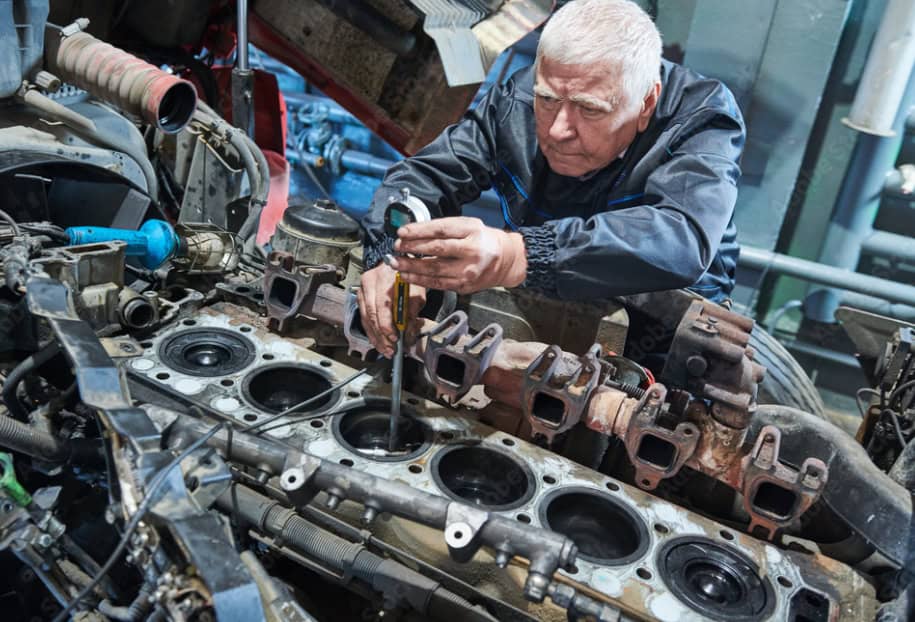
The oil in diesel-powered engines is subject to a multitude of adverse factors that substantially deteriorate the oil over time. These factors can include a variety of less-than-ideal operating conditions, as well as mechanically induced issues. The effects of these things often cause unwanted, untimely, and frustratingly high-cost maintenance, repairs, and even complete engine failure.…
Read MoreThe cost of bad maintenance

Maintenance – we’ve all heard it before, usually it means an expense; time and money… More cost! In the good old days, we got by on the ageless principle, ‘If it ain’t broke, don’t fix it!’ However, Progress always intervenes with such ideology, and things change. Things get better. Things improve. Efficiency needs to increase.…
Read MoreSome products seem expensive…
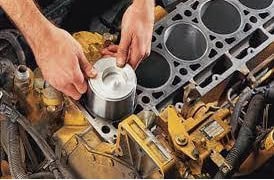
Maxodyne FTC Decarbonizer will deglaze hard-carbon from cylinders as the engine operates! From time to time, we are asked why some of our products, particularly FTC Decarbonizer and Flushing Oil Concentrate, seem expensive. That is an extremely reasonable and pertinent question. Compared to many other “off-the-shelf” products, our prices can seem higher in comparison. While…
Read MoreA Real Solution to Engine Blow-by

Engine blow-by is the term used to describe excessive internal crankcase pressure – a result of inadequate sealing between the piston rings and the cylinder walls, particularly during the compression and power strokes of the crankshaft. During these strokes, generated compression and expansion pressures create extremely high pressure above the piston, and if the ring-to-cylinder…
Read MoreWhat causes engine blow-by, and can you fix it without rebuilding the engine?

Most of the time, yes. Blow-by is a serious mechanical problem, and if you let it go long enough it gets much worse. But in the majority of cases the root cause isn’t worn rings. It’s carbon. Hard carbon deposits that have built up in the compression ring grooves and on the cylinder walls are…
Read MoreExcessive Engine Oil Use

Whether it is a gasoline or diesel engine, excessive engine oil use is caused by either leaking seals and/or gaskets, or otherwise, the oil is being consumed in the combustion chamber during engine operation. When oil is combusted, excessive carbon particulate matter is produced, forming harmful carbon deposits within the combustion chamber and on associated components. Over time, these encrusted…
Read MoreDoes FTC Decarbonizer Really Work?

To answer the question “Does FTC Decarbonizer really work?“, take a look at these photos – This photo is of a cylinder from a Caterpillar 3508 diesel engine at 8,000 hours. It was used in an earthmoving machine in a large mining operation in Australia. It was torn down and rebuilt prior to the normal…
Read More